Top 10 Essential Medical Devices Every Healthcare Facility Needs
In the fast-evolving world of healthcare, having the right medical equipment is not just about convenience — it’s about saving lives, improving accuracy, and ensuring smooth clinical operations. Whether you run a small clinic or a multi-specialty hospital, certain devices are absolutely essential for day-to-day medical practice.
Here’s a list of the top 10 essential medical devices every healthcare facility should have:
Stethoscope
A stethoscope is the most recognizable symbol of the medical profession. It’s an indispensable diagnostic tool used to listen to heartbeats, lung sounds, and blood flow. Every doctor, nurse, and paramedic depends on this basic yet powerful device for accurate physical assessments.Blood Pressure Monitor (Sphygmomanometer)
Monitoring blood pressure is vital for diagnosing hypertension and cardiac-related conditions. Modern digital BP monitors make it easier to obtain accurate readings quickly, ensuring timely treatment and better patient management.Thermometer
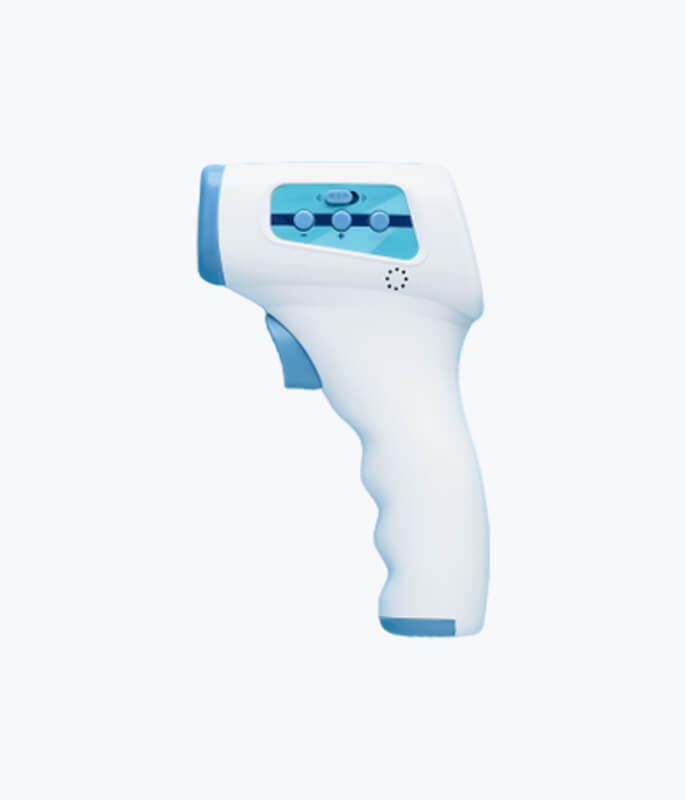
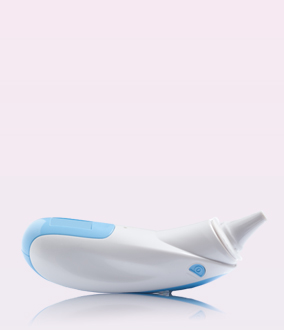
From fever detection to infection monitoring, thermometers are among the most frequently used medical tools. Digital and infrared thermometers offer faster, more hygienic, and more precise results compared to traditional mercury ones.Pulse Oximeter
A must-have in every hospital and clinic, pulse oximeters measure oxygen saturation levels and pulse rate. They became especially critical during the COVID-19 pandemic for detecting early signs of respiratory distress.ECG Machine
Electrocardiogram (ECG) machines are essential for detecting heart irregularities such as arrhythmias and heart attacks. Portable ECG units allow quick diagnostics in emergency situations and are invaluable for cardiac care units.Glucometer
Diabetes management requires frequent blood glucose monitoring. Glucometers provide fast, accurate readings from a small drop of blood — making them indispensable for both hospital use and patient self-monitoring.Defibrillator
A defibrillator can make the difference between life and death during cardiac arrest. Every healthcare facility should have at least one automated external defibrillator (AED) to deliver life-saving electric shocks when needed.Nebulizer
Nebulizers convert liquid medicine into fine mist for easy inhalation, crucial for treating asthma, COPD, and other respiratory illnesses. They’re simple to use and provide immediate relief for patients with breathing difficulties.Suction Machine
A suction apparatus is essential in clearing airways of mucus, saliva, or blood — particularly in emergency and surgical settings. Reliable suction units ensure the patient’s breathing passages remain unobstructed.Oxygen Concentrator
An oxygen concentrator delivers purified oxygen to patients with respiratory conditions. It’s a must-have for hospitals, clinics, and even home care setups, ensuring a steady oxygen supply without the need for bulky cylinders.
Equipping your healthcare facility with these essential medical devices ensures readiness for emergencies, accurate diagnoses, and better patient care. Regular maintenance, calibration, and staff training are equally important to keep these devices functioning optimally.